How to Read Manhua in the Correct Direction
Manhua, a type of Chinese comics, is loved by many around the world. But, figuring out the right way to read it can be tricky. Unlike comics from the West, Manhua has its own special way of reading.
The question of whether Manhua should be read left to right or right to left is a big debate. Some say it should stick to the traditional Chinese way of reading from right to left. Others think it should follow the more common Western style of reading from left to right.
As Chinese comics become more popular worldwide, knowing how to read them correctly is key. This part will look into why the right reading direction matters and what it means for readers.
Understanding Manhua: The Chinese Comic Art Form
Manhua, or Chinese comics, is vast and diverse. It offers a unique reading experience. Its history and evolution are closely tied to China’s social and political changes.
What is Manhua and its Origins
Manhua refers to Chinese comics or cartoon drawings. It started in the early 20th century. Now, Manhua is a big part of Chinese popular culture.
Its early development was influenced by Western comics and Chinese traditional art.
Manhua vs. Manga vs. Manhwa: Key Differences
Manhua, Manga, and Manhwa are terms for comics from China, Japan, and Korea. They share similarities but have key differences. The main differences are in cultural influences, art styles, and storytelling.
| Comic Form | Origin | Art Style |
| Manhua | China | Influenced by Chinese traditional art and Western styles |
| Manga | Japan | Distinctive Japanese art style with exaggerated features |
| Manhwa | Korea | Blend of traditional Korean art and modern influences |

Knowing these differences helps readers enjoy each comic form’s unique qualities. Manhua offers a distinct reading experience that shows Chinese culture and society.
The Correct Order to Read Manhua: Left to Right or Right to Left?
To enjoy Manhua fully, you need to know the traditional and modern ways of reading. Manhua is like Japanese Manga or Korean Manhwa but has its own history. This history shapes how we read it.
Traditional Chinese Reading Direction
Chinese text used to be read from top to bottom and right to left. This method comes from ancient Chinese writing systems. Today, it’s mainly used in calligraphy or old texts. But, modern Manhua reads differently.
Modern Manhua Reading Conventions
Now, Manhua is read from left to right, like Western comics. This change came from Western comic book styles and the need for global readers. Many artists and publishers use this direction to reach more people.

Regional Variations in Reading Order
Even though most read from left to right, there are differences in China and among Chinese speakers. Some places or Manhua titles might stick to the old right-to-left way. This is often because of Japanese Manga influence or for certain cultural groups.
| Region | Typical Reading Direction | Influencing Factors |
| Mainland China | Left to Right | Modernization, Western influence |
| Hong Kong | Right to Left (Traditional) | Historical and cultural significance |
| International Editions | Left to Right | Global compatibility, Western comic influence |
Knowing these differences helps us see the variety in Manhua. It makes sure readers can enjoy different stories easily.
Left to Right: The Standard for Most Manhua
Manhua, or Chinese comics, are read from left to right. This is the standard in the industry. It’s due to history, culture, and practical reasons.
Why Chinese Comics Typically Read Left to Right
The left-to-right reading in Manhua comes from global trends and Western comic styles. Globalization and Western comic influence have shaped this standard. Chinese comic creators use it to reach more people.
Examples of Popular Left-to-Right Manhua
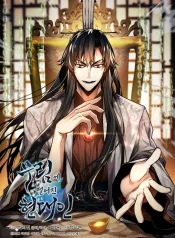
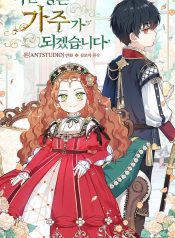
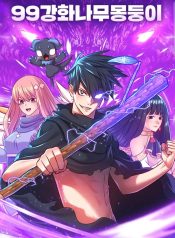
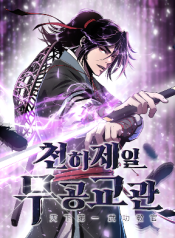
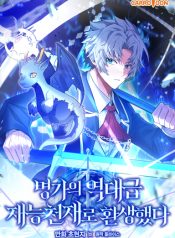
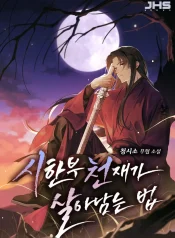
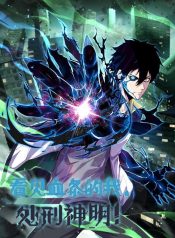
Many popular Manhua are read from left to right. For example:
- The Grandmaster of Demonic Cultivation
- Mo Dao Zu Shi
- Zhen Hun Tu
These titles are known worldwide and are read in the left-to-right format.
Navigating Left-to-Right Panel Layouts
Knowing how to read Manhua is key. Here are some tips:
| Panel Layout Feature | Description |
| Panel Sequence | Panels are arranged from left to right, like Western comics. |
| Speech Bubbles | Read speech bubbles from left to right and top to bottom in a panel. |
| Action Indicators | Action lines and movement indicators help guide the reader through the action. |
Understanding these elements makes reading left-to-right Manhua easy.
Right to Left: Exceptions to the Rule
Most Manhua read from left to right. But, some are exceptions because of other comic cultures. These are mainly because of Japanese manga, which reads from right to left.
Japanese-Influenced Chinese Comics
Some Manhua take cues from Japanese manga. They read from right to left. This happens when Manhua teams up with Japanese artists or is inspired by manga.
Characteristics of Japanese-Influenced Manhua:
- Right-to-left panel layout
- Manga-style artwork and character design
- Incorporation of Japanese cultural elements
Identifying Right-to-Left Manhua
To tell if a Manhua reads right to left, look for these signs:
| Indicator | Description |
| Panel Layout | If panels are from right to left, it’s likely right-to-left Manhua. |
| Publisher’s Note | Some Manhua have a note from the publisher about reading direction. |
| Cultural Influence | Manhua with strong Japanese influence or made with Japanese artists are right-to-left. |
Adapting to Right-to-Left Reading
Getting used to right-to-left reading can be tricky. Here are some tips:
- Start from the right edge of the page.
- Focus on panel transitions and the story’s flow.
- Notice cultural details in the story.
Understanding these exceptions helps readers enjoy Manhua’s diversity and richness.
How to Identify the Reading Direction of a Manhua
The reading direction of Manhua can change. But, there are clues to help readers. Knowing these clues makes reading better.
Visual Cues and Indicators
Visual clues help figure out the reading direction. Look at the text direction, character orientation, and action flow. For example, if the text is in Chinese and goes from left to right, the Manhua likely does too.
Publisher Information and Guidelines
Publisher info can also help. Many include a note at the start or on their website. This is great for digital versions or unclear visual cues.
| Publisher | Reading Direction | Notes |
| Publisher A | Left to Right | Standard for most Manhua |
| Publisher B | Right to Left | Influenced by Japanese Manga style |
First Page Orientation Clues
The first page often shows how to read. Look at the title page, introduction, or first panel. The layout and text direction here can guide you.
By noticing these signs, readers can find the right reading direction. This makes their reading experience better.
Panel Layout and Flow in Manhua
Manhua, a traditional Chinese comic art form, uses panel layout to tell the story. Panels, speech bubbles, and action sequences help the story flow well. This makes the story easy to follow.
Understanding Panel Arrangements
Panel arrangements in Manhua guide the reader through the story. Some use a grid pattern, while others are more creative. The choice depends on the genre and the artist’s style.
Speech Bubble Placement and Reading Order
Speech bubble placement is key in Manhua. It sets the reading order and affects the story’s flow. Speech bubbles usually follow the natural reading direction.
Action Sequences and Movement Indicators
Action sequences in Manhua use movement indicators like speed lines. These help the reader follow the action. They also show the story’s pace.
| Element | Description | Impact on Reading Experience |
| Panel Arrangements | Grid or non-linear layouts | Influences narrative flow and reader engagement |
| Speech Bubbles | Positioning within panels | Dictates reading order and narrative pace |
| Action Sequences | Use of speed lines and motion blur | Enhances dynamic feel and scene pacing |
Digital vs. Print: Differences in Reading Order
The way we read Manhua has changed a lot with digital media. Moving from print to digital has changed how we read. It affects how we move through Manhua stories.
Navigating Digital Manhua Platforms
Digital Manhua sites have cool features. You can change how you read, zoom in, and even use night mode. These options let you make your reading experience just right for you.
Traditional Print Format Considerations
Print Manhua follows old rules. You read it from left to right or right to left. Knowing these rules helps you understand the story better.
Webtoon-Style Vertical Scrolling Format
The Webtoon format is popular online. It lets you scroll through stories vertically. This changes how you see panels and read the story. You need to be flexible and know how the story is laid out.
Popular Manhua Reading Apps and Websites
Manhua reading apps and websites have changed how we enjoy Chinese comics. Now, fans can find a huge library of Manhua from anywhere.
Chinese Platforms for Authentic Experience
Bilibili Comics and DouManga are favorites among Manhua fans. They have lots of comics, including special ones you can’t find elsewhere. You can get daily free episodes and subscribe to your favorite Manhua.
International Sites with Translated Content
International sites like Webtoons and TappyToon offer Manhua in your language. They are great for global fans. They have a friendly interface and lots of comics to choose from.
App Features That Help with Reading Direction
Many apps now help with reading direction. You can switch between reading modes. This makes it easy to read different comics. Zooming and page turning also help with complex layouts.
These platforms make reading Manhua more fun and easy.
Translation Considerations for English Readers
English readers of Manhua often face challenges. These come from translation issues, like panel layout and cultural references. Translating Manhua for English readers is more than just text conversion. It needs a deep understanding of cultural nuances and visual storytelling.
How Translation Affects Panel Layout
Translation can change the panel layout of Manhua. When text is translated from Chinese to English, it often changes in length. Translators and publishers must work together to make sure the translation fits the original layout. Or they adjust the layout to keep the reading flow right.
- Text expansion or contraction during translation
- Adjusting panel sizes to accommodate translated text
- Maintaining the original reading order and flow
Dealing with Sound Effects and Cultural References
Sound effects and cultural references are key parts of Manhua. They can be hard to translate. Sound effects, like onomatopoeias, need to be adapted to match the English experience. Cultural references need a nuanced understanding to be translated right for English readers.
- Translating onomatopoeias to maintain the original impact
- Explaining cultural references in footnotes or asides
- Adapting humor, idioms, and other culturally specific elements
By carefully considering these aspects, translators can give English readers a true and fun Manhua experience.
Common Mistakes When Reading Manhua
Manhua reading is popular but often has common mistakes. These mistakes can confuse readers and make the story less enjoyable. Knowing these mistakes can make reading Manhua better and more meaningful.
Misinterpreting Panel Sequences
One big mistake is getting the panel sequence wrong. Manhua has its own way of reading, different from Western comics. Reading the panels in the wrong order can mess up the story and characters. To fix this, readers should look at the layout and any clues that show the right order.
Cultural Context Misunderstandings
Manhua is deeply connected to Chinese culture. Not understanding this can lead to confusion. Not knowing cultural references, idioms, or historical allusions can make the story hard to follow. Learning about Chinese culture and history can help readers enjoy Manhua more.
Conclusion
Reading Manhua is rewarding, blending Chinese culture with stories. Knowing the right reading order lets you enjoy the art and story fully. It doesn’t matter if you read from left to right or right to left. Paying attention to conventions and visual cues makes it better.
A good Manhua reading guide should cover the basics. It should talk about traditional and modern reading directions. Knowing the differences between Manhua, Manga, and Manhwa helps you enjoy comics more.
Reading Manhua gets better with practice and patience. Follow the tips in this article to become a skilled Manhua reader. You’ll learn to appreciate the unique aspects of this art form.